Core–periphery structure

Core–periphery structure
Network theory model.
No account needed. By playing, you confirm you're 13 or older and agree to the Terms of use.
No owners yet
Category: Empty
- 0 owners
- 0 copies
- 0 pulls
- Wishlisted
- 0
- In 0 albums
- On 0 showcases
- Market listings
- 0
Not sold on the market yet.
Readers' pathsAug 2026 – Oct 2026
Readers go next to
Share of the 326 clicks on its links

World-systems theory
Approach emphasizing the world-system as the primary unit of social analysis.
49%
Core countries
Industrialized/developed countries.
23%
Periphery countries
Less developed, poorer countries.
11%
Semi-periphery countries
Industrializing, low-income countries.
7.7%
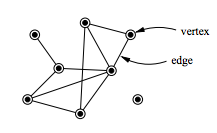
Network theory
Study of graphs as a representation of relations between discrete objects.
6.4%
Readers come from
Share of the 249 readers arriving from another article

Rimland
Concept in geopolitics.
33%
World-systems theory
Approach emphasizing the world-system as the primary unit of social analysis.
26%

Economic geography
Subfield of human geography and economics.
10%
Core countries
Industrialized/developed countries.
9.2%

Center versus periphery
Linguistic hypothesis of local words "rippling" out.
8%
Semi-periphery countries
Industrializing, low-income countries.
4.8%
Periphery countries
Less developed, poorer countries.
4%